
A 50-year-old saleswoman has been sentenced to four years and eight months in prison after admitting she submitted false evidence during legal proceedings against two former employers.
LONDON, UK — Louise Gallagher, a saleswoman from Wiltshire, has been jailed after a court found that she deliberately interfered with the administration of justice by presenting fabricated evidence in employment disputes involving two major companies.
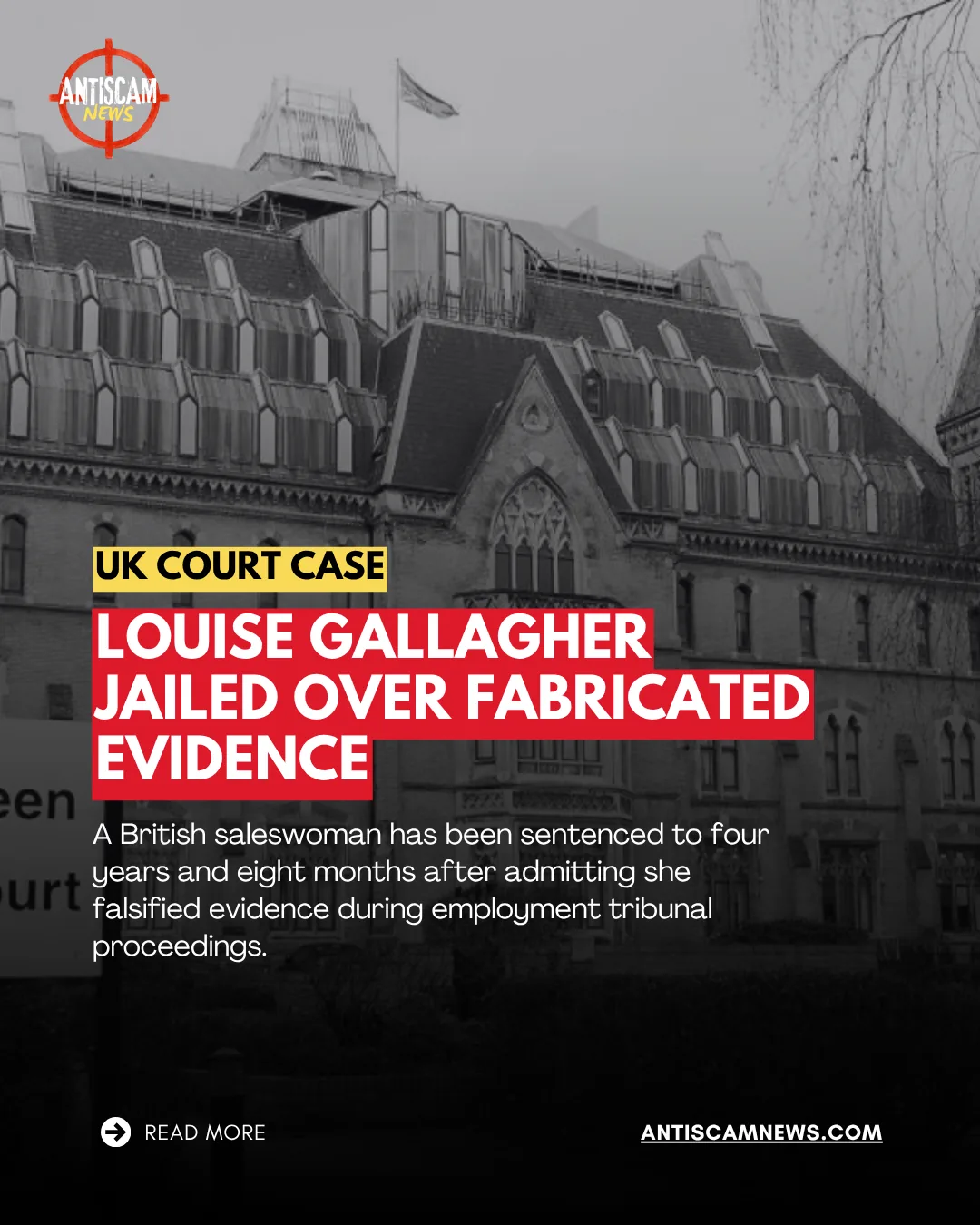
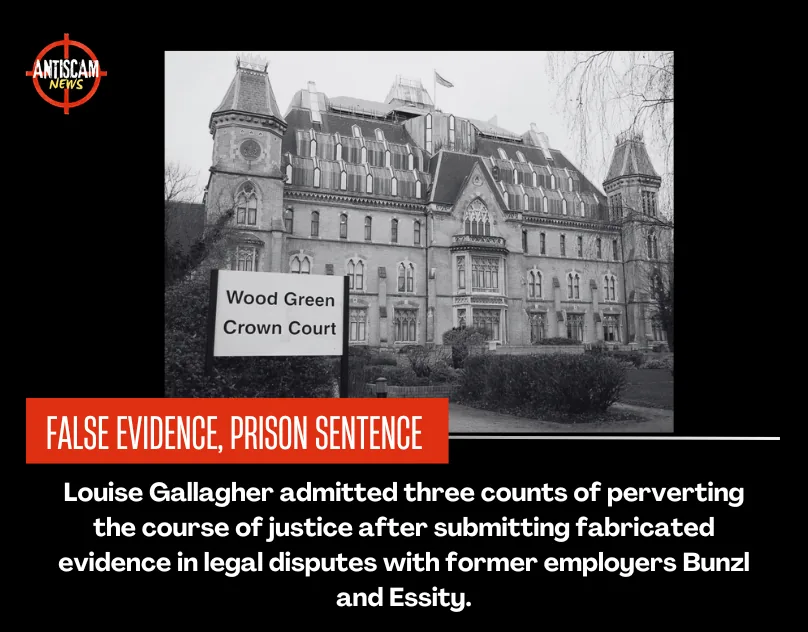
The 50-year-old admitted three counts of perverting the course of justice and was sentenced at Wood Green Crown Court on 9 October 2026.
Her actions occurred during separate legal claims against distribution company Bunzl and health products supplier Essity.
False medical evidence and an invented witness
The court heard that Gallagher submitted a fraudulent medical document suggesting she required prolonged cancer treatment while pursuing her employment tribunal claims.
She also provided police with details of a purported eyewitness who did not exist.
Judge Timothy Godfrey described her actions as deliberate and carefully planned, highlighting that she had given dishonest evidence under oath.
Previous convictions revealed during sentencing
The proceedings also examined Gallagher’s criminal history.
In 2015, she was convicted following the theft of £4,500 from employers and attempts to conceal the missing funds using altered banking records and a fabricated document attributed to HM Revenue and Customs.
A separate conviction in 2014 involved the unauthorised use of stolen banking information to purchase equestrian equipment worth £1,822.
Former employers report substantial legal costs
Bunzl and Essity told the court that defending the employment claims had required significant financial resources and extensive investigations into the questionable evidence.
The case illustrates the consequences of introducing fraudulent documents into formal proceedings, where false information can undermine investigations and impose substantial costs on those involved.
The wider problem of fabricated documents and identities
Falsified records and invented identities have featured in other, unrelated cases reported by AntiScamNews.
These include a network that scammed migrants with fake residency applications in spain has been dismantled and the rogue con man with 22 arrest warrants who pretended to be a cyberbullying expert arrested.
Neither case has any reported connection to Gallagher’s prosecution.
Court distinguishes fabricated evidence from underlying allegations
An important distinction emerged during sentencing.
Gallagher maintained that her original allegations of sexual assault and harassment were genuine, despite admitting that she had fabricated evidence intended to support her claims.
The Crown Prosecution Service discontinued additional charges alleging that she had invented the assaults, concluding that the evidence was insufficient to proceed.
The court did not establish whether the original sexual assault allegations were true or false. Her prison sentence relates specifically to the admitted attempts to pervert the course of justice.
The case underscores a fundamental principle of the British legal system: knowingly falsifying evidence can constitute a serious criminal offence, independently of the underlying dispute.